
Project background
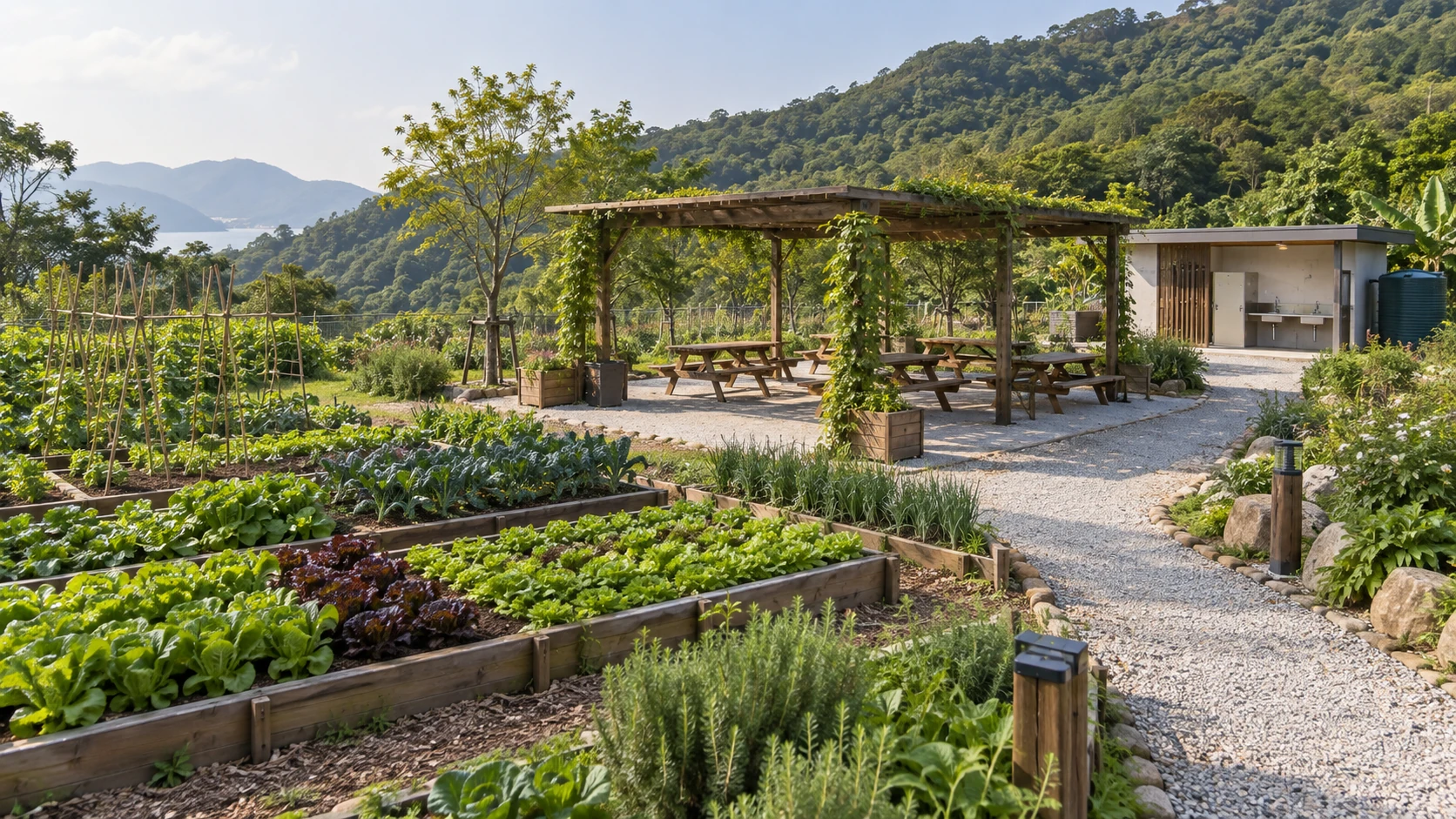
A daytime leisure farm is proposed in the rural New Territories, combining small-scale cultivation, family activities and pre-booked barbecues, with visitor parking and toilets. Overnight accommodation is not initially proposed.
Key questions
Distinguish cultivation from paid recreational activities
Calling a site a 'farm' does not make every activity agricultural. Assess cultivation, recreation, catering and accommodation by their actual content. Explain charges, public access and the area occupied by each activity in the operating statement.
Visitor numbers and hours affect traffic and noise
A few weekday visitors have different impacts from holiday group activities. Specify maximum simultaneous attendance, booking arrangements, activity hours, pick-up and drop-off, and parking. Amplified sound, evening activities or nearby homes may require further consideration of noise and neighbourhood impacts.
Deal with stormwater and operational wastewater separately
Sewage from toilets and wastewater from washing or catering cannot be dealt with through ordinary stormwater arrangements. Understand existing facilities and connection conditions. New structures, paving or filling may also alter the land and drainage.
Planning route
List the activities and check the zoning
Identify cultivation, activity, barbecue, reception, parking and toilet areas, then check the current plan and its Notes. Establish principal and ancillary uses before deciding whether planning permission is required. Cultivation on part of the land does not automatically permit every activity.
Align the operating plan and application drawings
If an application is required, the layout must match attendance, hours, traffic and stormwater and sewage arrangements. Prepare the applicable forms, authorization, owner-consent or notification documents and justifications. Check the planning review involved in catering or other licences against the actual activities.
Reassess the mix of uses before expanding
Adding overnight tents, animal activities or large events requires a fresh check of planning and relevant licensing requirements. Select traffic, environmental and drainage support to address actual gaps. Documents for a daytime farm cannot automatically justify every later activity.
Information to prepare
- Activities, charges, booking arrangements and maximum simultaneous attendance
- Zoned layout, activity hours, pick-up/drop-off and parking
- Toilets, sewage and stormwater facilities, with site photographs
- Structures, ground alterations, previous approvals and possible future expansion
Key takeaway
Describe the farm's activities individually to identify the actual application route and technical needs. Farms with the same name may require very different analyses.
The service covers planning permission and planning review for licensing. Construction, electricity connections and private rights require separate arrangements where relevant.